Master Injury Prevention: A Child-Friendly Approach.
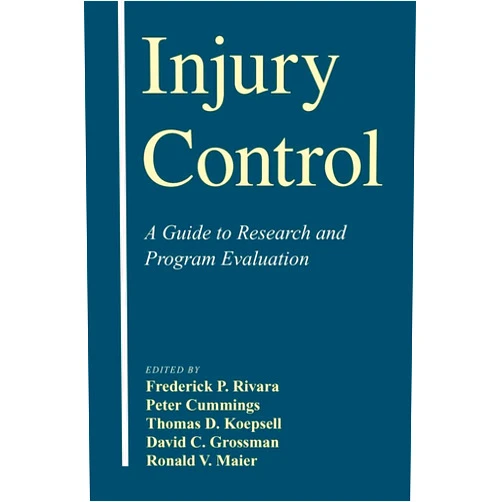
Injury Control: A Guide to Research and Program Evaluation
This comprehensive guide is designed for researchers, professionals, and students interested in injury control and prevention. Injury Control: A Guide to Research and Program Evaluation provides a framework for understanding the complexities of injury prevention through rigorous analysis. It examines the causes, consequences, and prevention strategies for various injuries, fostering a strong, evidence-based approach. From the intricate details of epidemiological studies to the practical application of program evaluations, this resource offers valuable tools for tackling the critical issue of injury. The book emphasizes the importance of meticulous research in guiding effective strategies to protect children and communities from harm. This guide empowers individuals to make data-driven decisions that enhance safety measures.
Main Features
- Comprehensive Research Methods: This book explores a wide range of research methodologies, providing readers with a strong foundation in how to conduct rigorous studies.
- Evidence-Based Practices: It emphasizes the application of research findings to develop and evaluate effective programs for injury prevention.
- Program Evaluation Frameworks: The book presents various frameworks for systematically assessing the effectiveness of injury prevention programs.
- Injury Control Strategies Across Various Settings: The guide covers a broad range of injury settings and explores strategies tailored to specific populations, from playgrounds to transportation.
- Practical Application of Research: The text connects theoretical concepts with real-world application, enabling readers to translate research into practical solutions.
Benefits
- Improved Public Safety: By applying the concepts within the book, readers can contribute to a safer environment for all.
- Enhanced Decision-Making: The presented research enables informed choices for injury prevention strategies.
- Effective Program Implementation: Readers will understand how to design and implement programs for maximizing the effectiveness in preventing injuries.
- Reduced Injury Rates: The practical insights in this guide will contribute to a significant reduction of preventable injuries across populations.
- Improved Public Health Outcomes: The methodology outlined in this book contributes to positive public health outcomes in the areas of injury prevention.
Unique Selling Points / Competitive Advantages
- Rigorous Research Emphasis: This book distinguishes itself through its focus on delivering the most up-to-date and cutting-edge research methods and strategies.
- Interdisciplinary Approach: This guide brings together perspectives from various disciplines to provide a holistic understanding of injury prevention.
- Practical Application Focus: It bridges the gap between research and implementation by offering clear frameworks for effective program evaluation.
- Proven Data Analysis Techniques: This guide covers essential techniques for analyzing data in injury prevention studies and programs.
- Actionable Recommendations: The book transforms research findings into concrete recommendations for injury prevention.
Usage Scenarios
- Injury Prevention Professionals: This guide serves as an essential resource for injury prevention researchers and practitioners.
- Public Health Officials: The book can help public health officials develop and implement comprehensive injury prevention strategies.
- Healthcare Providers: The guide supports healthcare providers by equipping them to assess and prevent injury in their patients.
- Educational Institutions: The guide can help teachers and administrators in schools to integrate effective injury prevention into the curriculum.
- Community Leaders: This guide empowers community leaders to foster a culture of safety and well-being in their areas.
Customer Reviews / Testimonials
- Dr. Anya Sharma, India (2023): "This book has been invaluable in our ongoing study of playground safety. The comprehensive approach empowers us to create well-structured and effective prevention programs."
- Professor David Miller, Australia (2022): "Injury Control provides essential insights into evaluating programs to ensure they effectively reduce risks for children and adolescents."
- Dr. Maria Rodriguez, USA (2021): "The clear frameworks and research methodologies outlined in this guide have revolutionized our program's effectiveness in preventing athletic injuries."
Frequently Asked Questions
Q: What types of injuries does this guide cover?
A: The guide addresses a wide array of injuries in various settings, including those related to sports, transportation, home accidents, and more.
Q: How can this guide be used in a research setting?
A: The guide provides detailed methodological frameworks and practical tools to design and evaluate robust injury prevention research studies.
BUY NOW
Ignite your journey to safer communities by acquiring the essential ** Injury Control: A Guide to Research and Program Evaluation**.
(Beta: User Generated 2024.0007)